

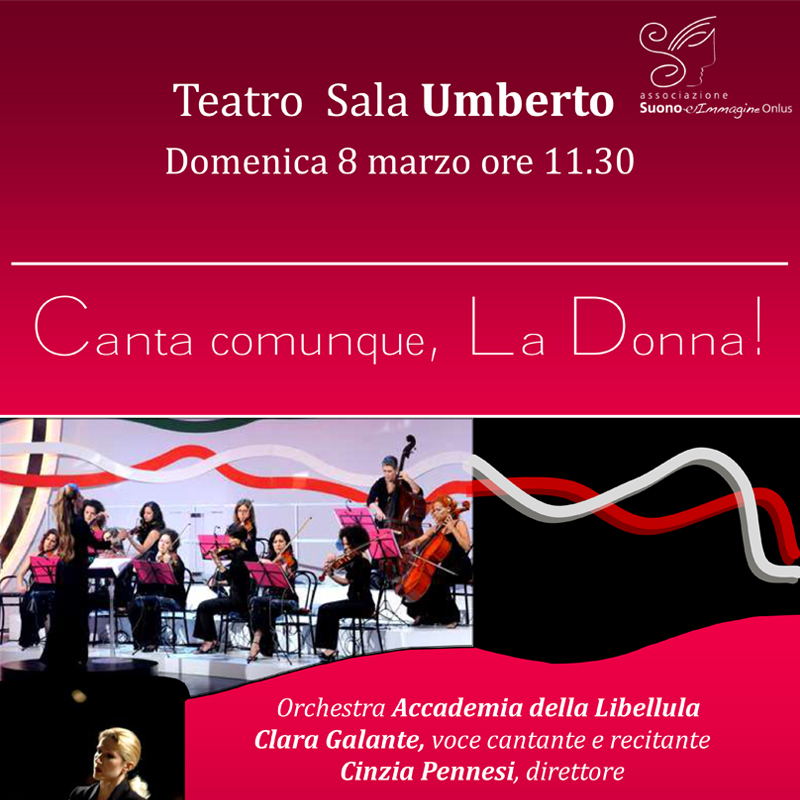
Sing anyway, The woman!
Nulla et consectetur ligula, ut fringilla velit. Interdum et sit amet tempor. In sit amet neque non tellus interdum tincidunt eget eu odio.
Details
Nulla et consectetur ligula, ut fringilla velit. Interdum et sit amet tempor. In sit amet neque non tellus interdum tincidunt eget eu odio.
Details
Download the playbill In the second edition of Lieder & Tablet, a pair of excellently educated young people realize that the History of Music Composition is absent from their education. Invited to a concert of Lieder, they find that those lyrics do not leave them indifferent at all, and that that music makes them feel…
Details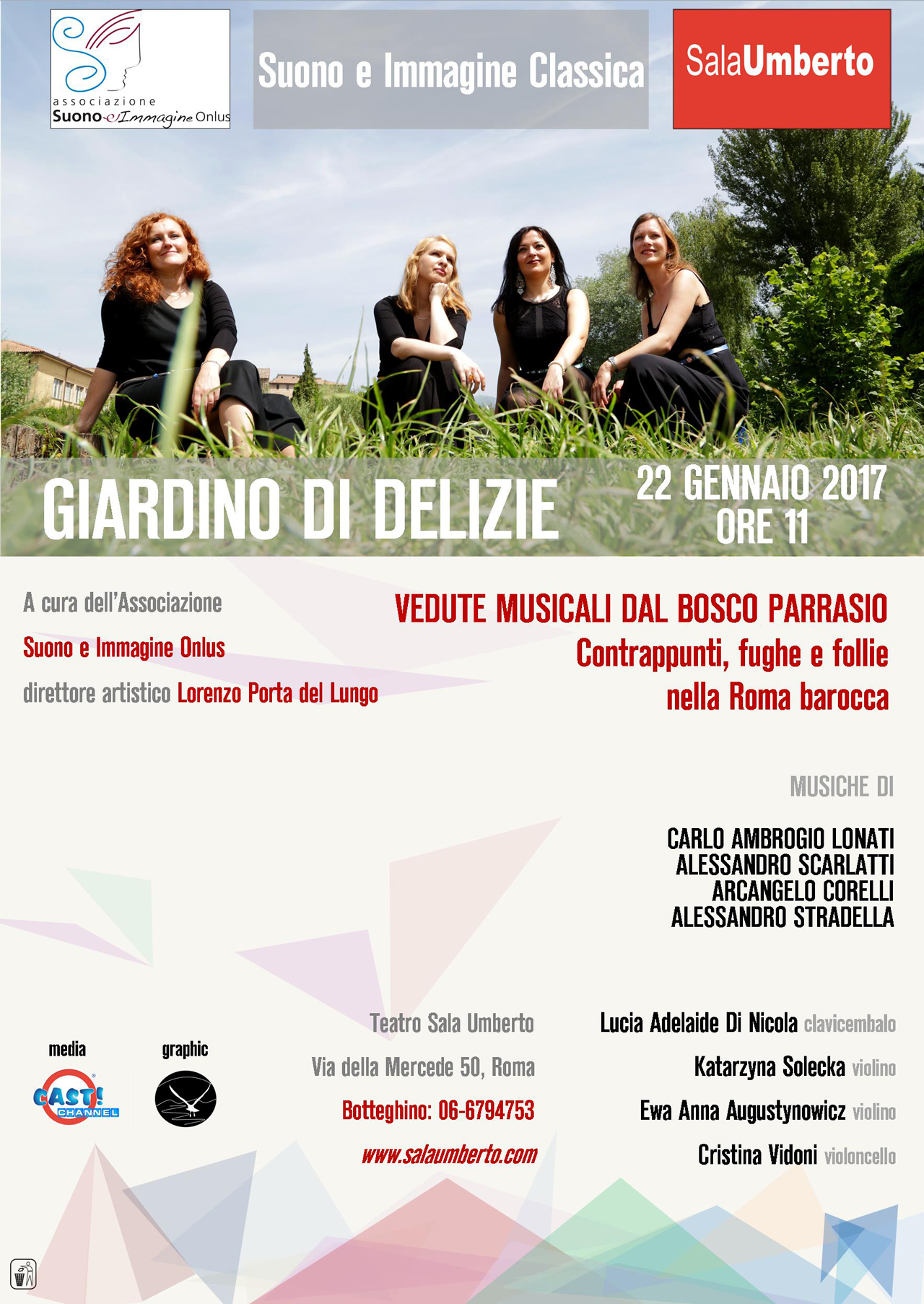
Rome, early decades of the 17th century, Fuga, Bernini, Borromini: in an urban fabric teeming with obelisks, divine sinuosities wrested from stone and daring perspectives, the miracle of beauty of the eternal city is once again fulfilled as it becomes a place of choice for composers, musicians and singers, attracted by the possibilities of fortune…
Details
Three extraordinary artists of international caliber for a journey through the intense atmospheres of late Mitteleuropean Romanticism: like sweet melodies, these sounds of yesteryear still attract us today and blossom like spring buds, intoxicating us on a February Sunday with their fragrance. Hungarian Dances #1 Hungarian Dances #3 Zwei Gesänge op.91
Details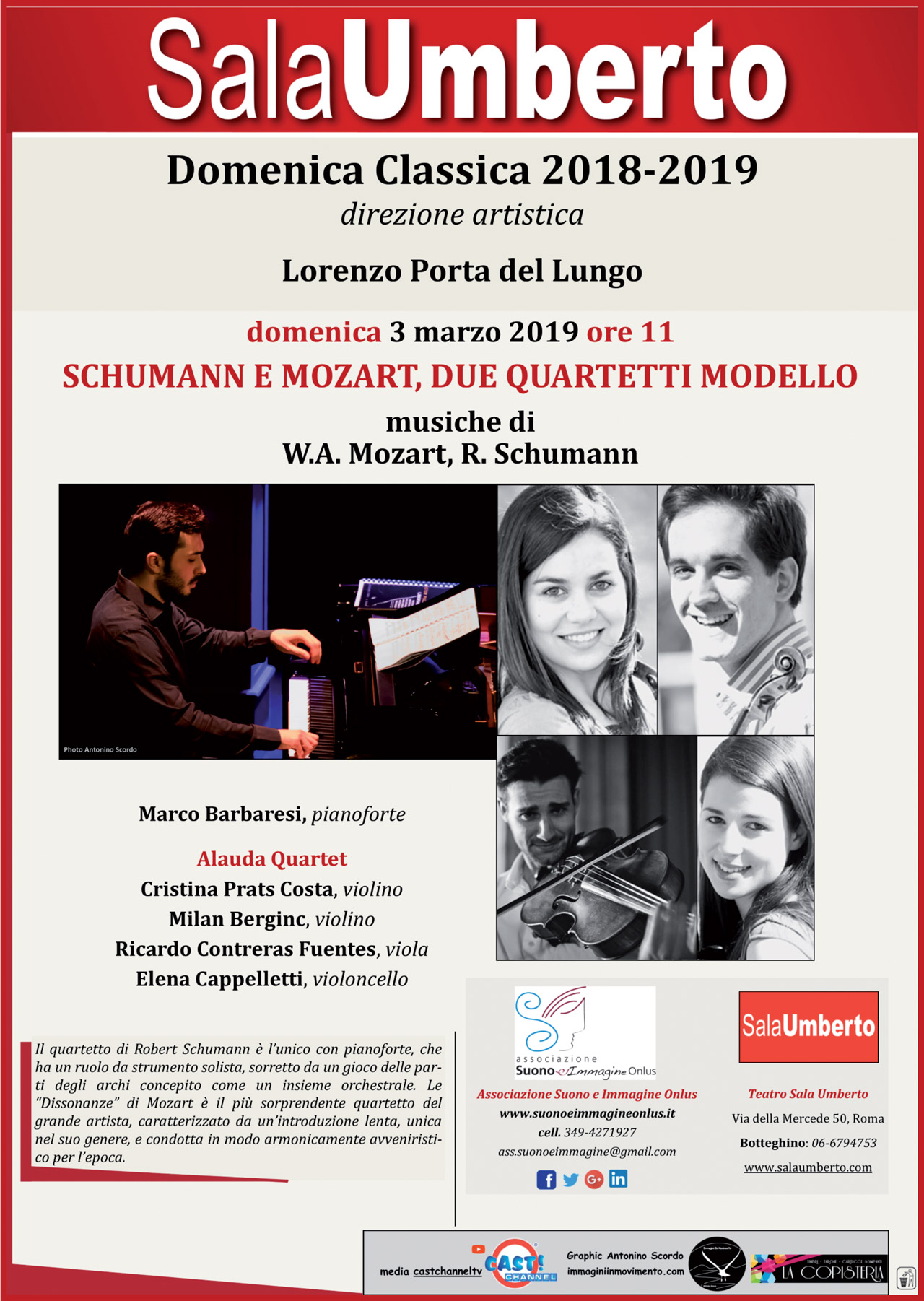
Robert Schumann’s quartet is the only one with piano, which has a role as a solo instrument, supported by a string part-play conceived as an orchestral ensemble. Mozart’s Dissonances is the great artist’s most astonishing quartet, characterized by a slow introduction, unique in its genre, and conducted in a harmonically futuristic manner for the time.
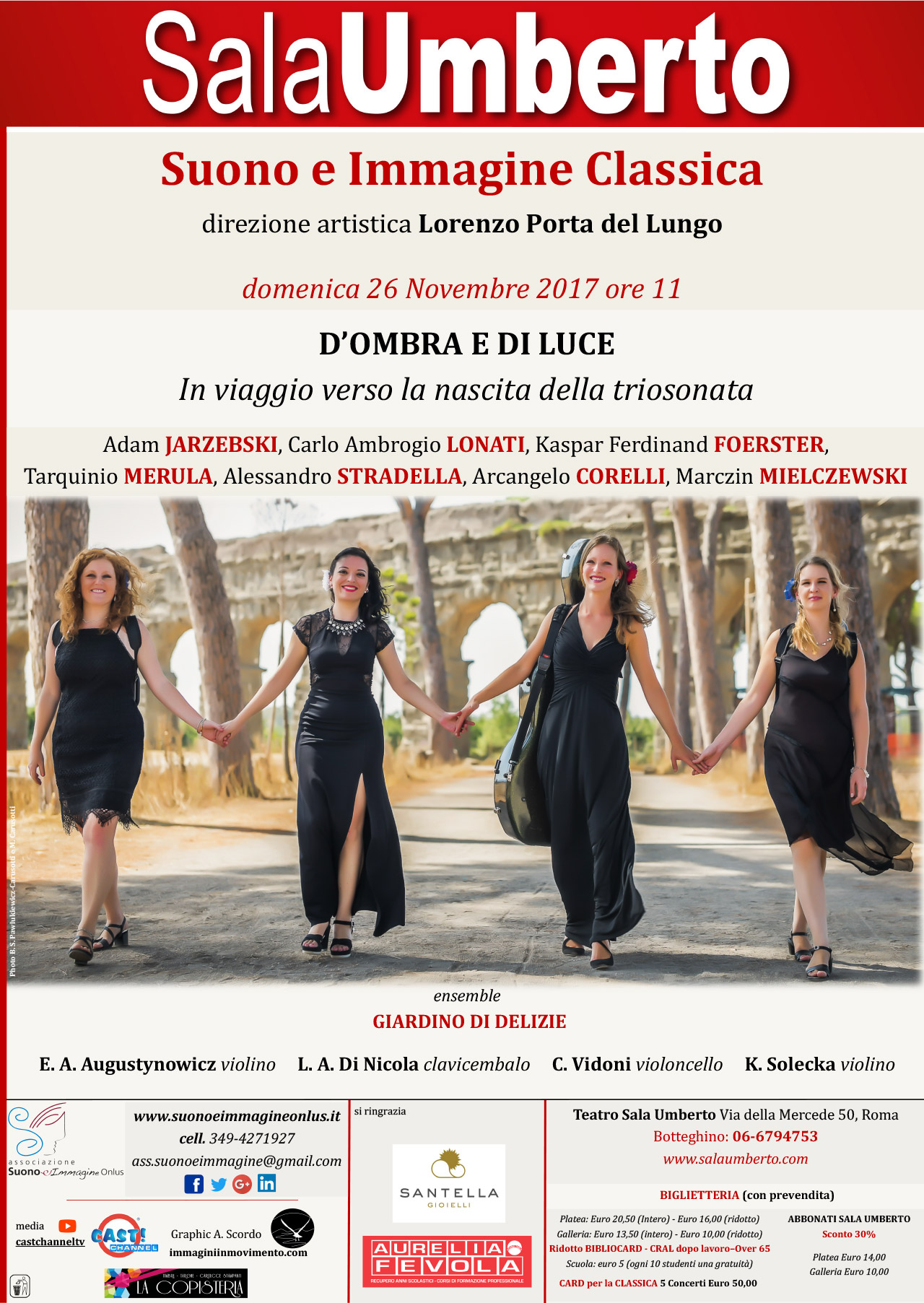
A journey of discovery through late 17th-century Rome.An expressive form that draws on Baroque instrumental virtuosity, the Triosonata lives again in the concert of the Italian-Polish quartet, which makes the dialectic between cultural roots its creative force.
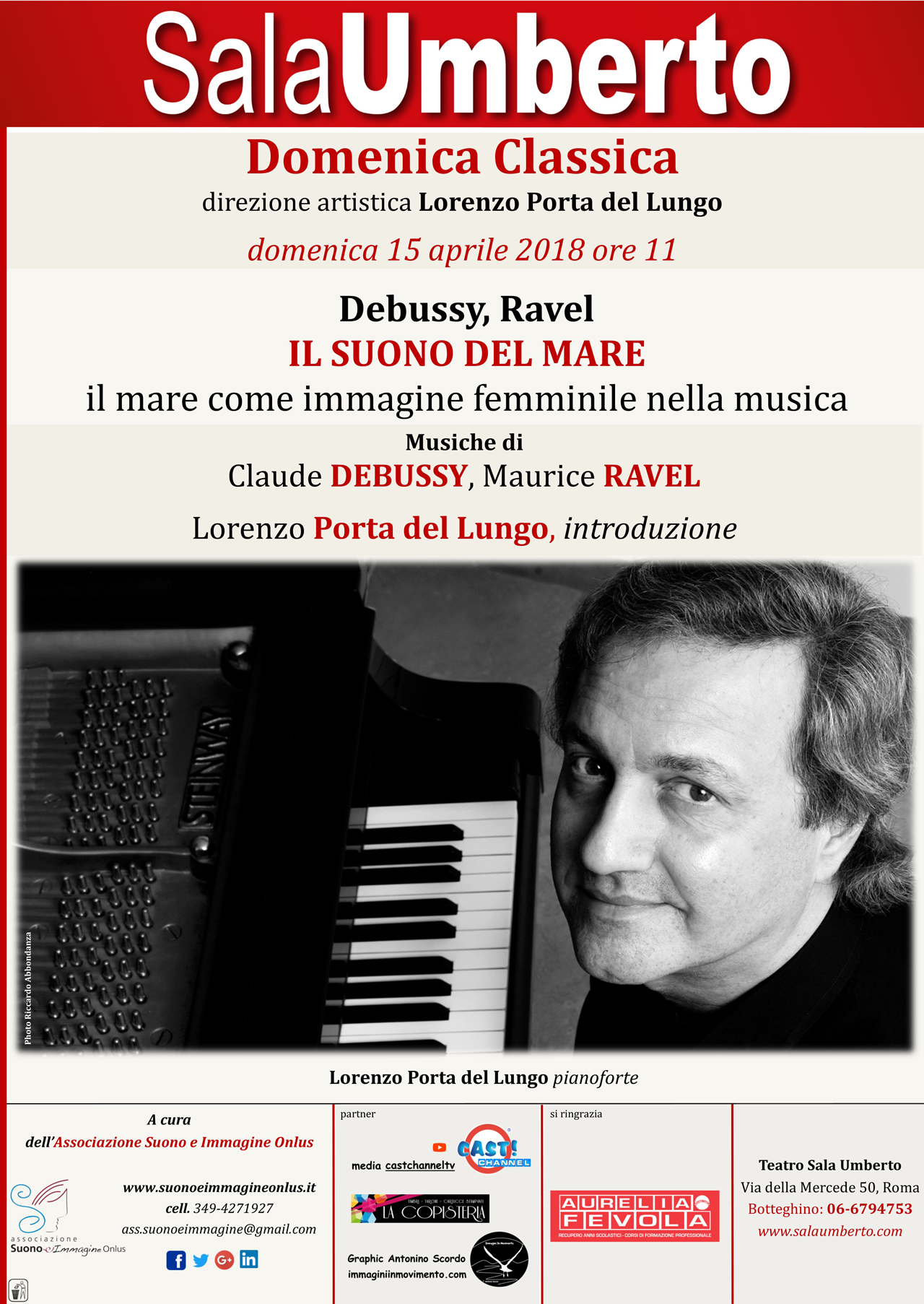
It is hard to say when this happened, but at some point the sea, this endless perpetual motion, this unfathomable depth, became a female image. It is natural for musicians to see in the image of the sea creative freedom, the infinity of possibilities, the perpetual movement of imagination. And so, every time they tell…
Details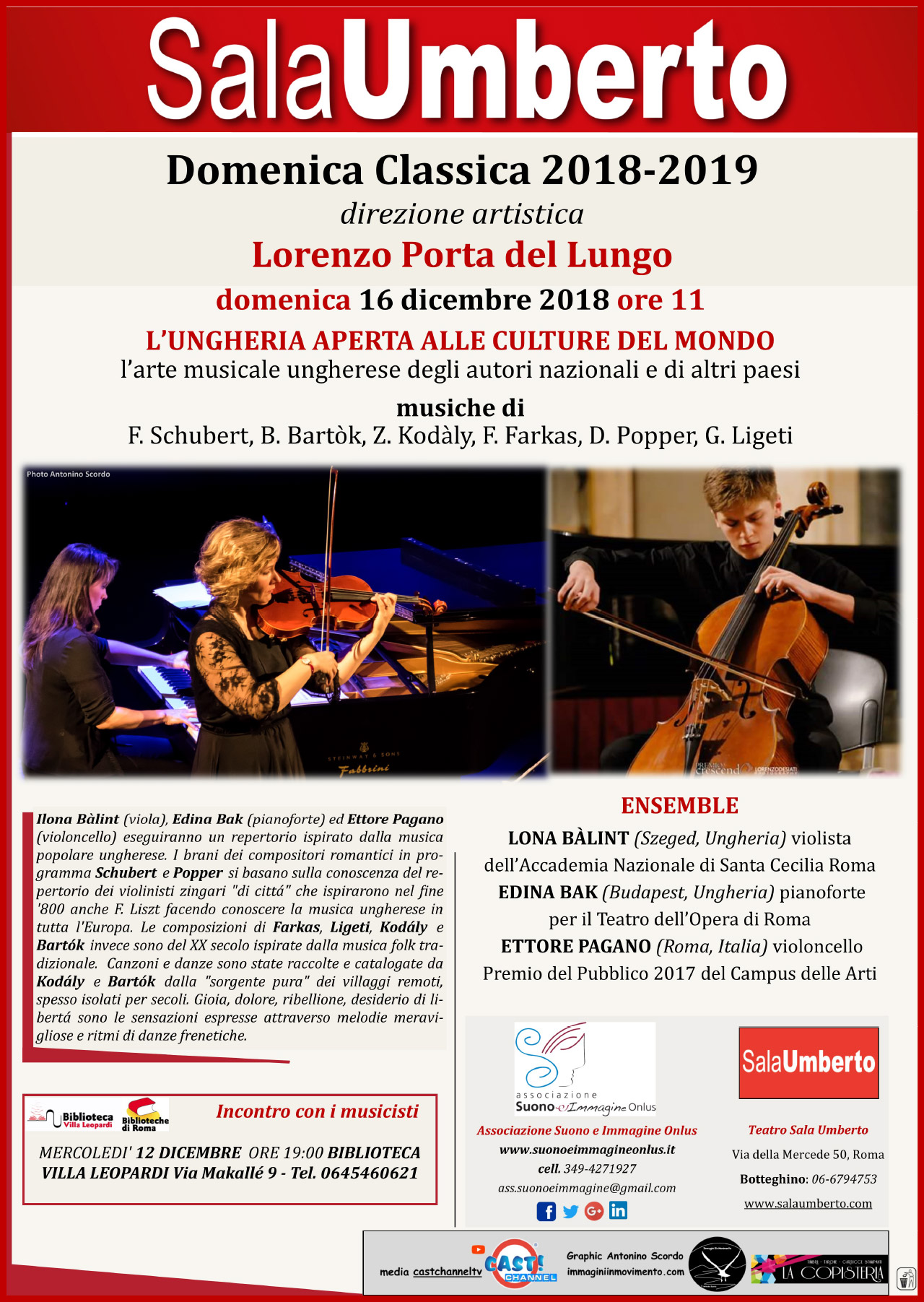
The pieces on the program are based on the repertoire of “city” gypsy violinists-which inspired, in the late 1800s, even Franz Liszt-and from the traditional folk music of remote villages, often isolated for centuries.Joy, sorrow, rebellion, and a desire for freedom are the feelings that are released through wonderful melodies and rhythms of frenetic dances.
Details
Mozart composed Piano Concerto No. 12 in 1782 for a Vienna audience, a year after he left Salzburg following his break with Archbishop Hyeronimus Colloredo. The change also had an effect on his writing, which was animated by a renewed stylistic freedom from the wishes of the patron, allowing Mozart to show off his technical…
Details